
How to Use Dark Spot Remover Cream Effectively: Key Ingredients and Application Steps
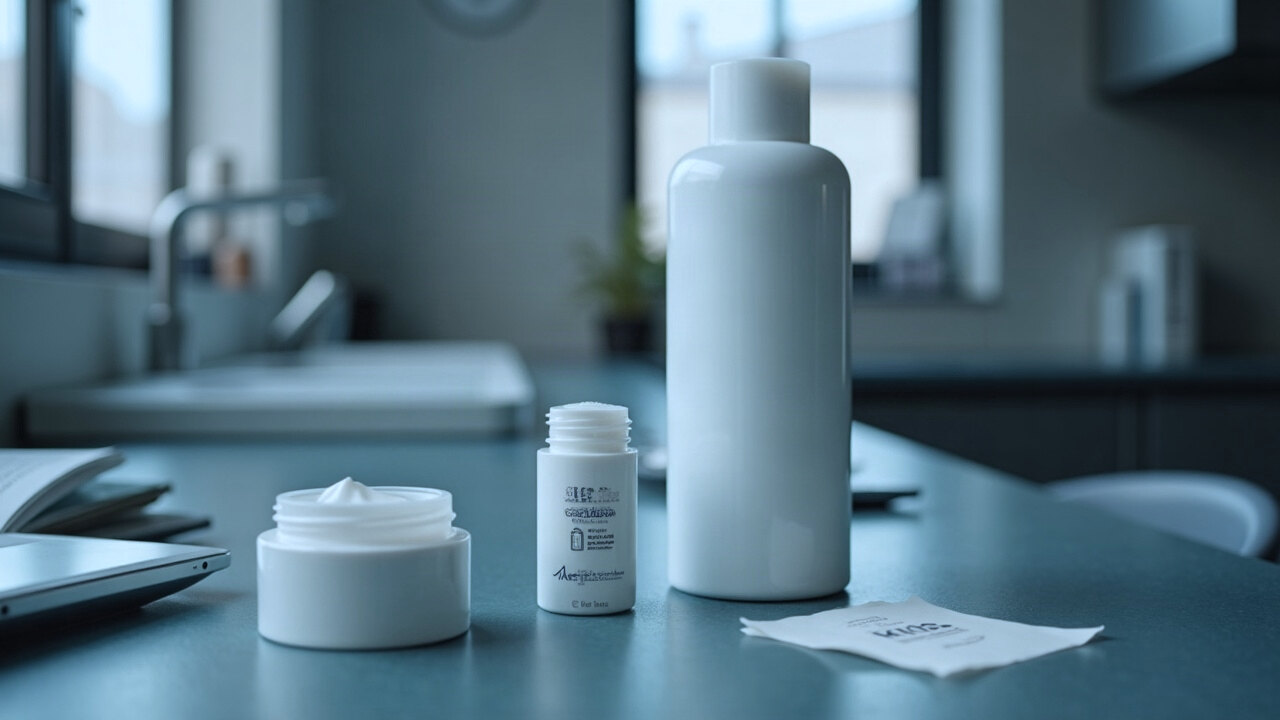
What ingredients make dark spot creams work
Dark spot remover creams rely on active ingredients that address uneven tone and discoloration. Kojic acid is a common active ingredient in these formulas, as it helps improve the appearance of dark spots. Beyond the primary active, supporting ingredients matter equally. Panthenol and urea work together to attract moisture and support the skin barrier, which is important because treating dark spots often requires consistent use over time, and a healthy barrier reduces irritation that could interrupt your routine.
Purely Radiant Skincare offers a Dark Spot Face Cream with Kojic Acid as a targeted formula for this concern. The product combines the active ingredient with barrier support, reflecting the principle that dark spot treatment works best when the skin is stable and hydrated.
How to apply dark spot cream for best results
Effective use of dark spot cream depends on consistency and proper application. Apply the cream to clean, dry skin, focusing on areas with visible dark spots or uneven tone. Use the amount recommended on the product label, typically a small amount since these are concentrated formulas. Apply once or twice daily, depending on the product instructions and your skin's tolerance.
Because dark spot improvement is gradual, establish a routine you can maintain for several weeks. Skipping applications or inconsistent use slows visible results. Store the cream as directed and avoid exposing it to direct sunlight, as heat and light can degrade active ingredients.
Why skin barrier health matters during dark spot treatment
Dark spots often appear alongside other concerns like dryness or sensitivity. A compromised skin barrier can cause irritation, redness, or flaking that makes dark spots appear worse and discourages continued use. Ingredients like panthenol and urea support barrier function by maintaining hydration and reducing transepidermal water loss.
If your skin feels tight, flaky, or reactive while using a dark spot cream, it signals that barrier support is needed. Formulas designed specifically for dark spots should include these supporting ingredients rather than relying on the active alone. This targeted approach means fewer products cluttering your routine while addressing multiple concerns at once.
Realistic timelines and when to reassess
Dark spots fade gradually over consistent use. Results are not immediate, and visible improvement typically develops over weeks of daily application. Factors affecting timeline include the depth and age of the spots, your skin type, sun exposure, and the concentration of active ingredients in your formula.
If you see no change after 8 to 12 weeks of consistent daily use, the formula may not be right for your skin, or the spots may require professional treatment. Keep the product stored properly and use as directed to give the ingredients time to work. Sunscreen use during the day is equally important, as UV exposure can darken existing spots and create new ones, undermining your treatment efforts.
Choosing a dark spot cream that fits your skin type
Not all dark spot creams suit all skin types. If you have dry or sensitive skin, a formula with barrier support ingredients is essential, as kojic acid alone can feel stripping. If you have oily skin, you may prefer a lighter texture that hydrates without feeling heavy. If your skin is reactive, look for formulas tested for sensitivity and free from unnecessary fragrance or irritants.
Read the ingredient list and product description to understand what the formula is designed to do. Targeted formulas address dark spots plus one or two other concerns, such as dryness or sensitivity, rather than claiming to fix everything. This focused approach means the active and supporting ingredients are balanced for a specific skin need, making results more likely than with multi-purpose products.